Second-hand, first choice: how pre-loved became gift-worthy

 Back to articles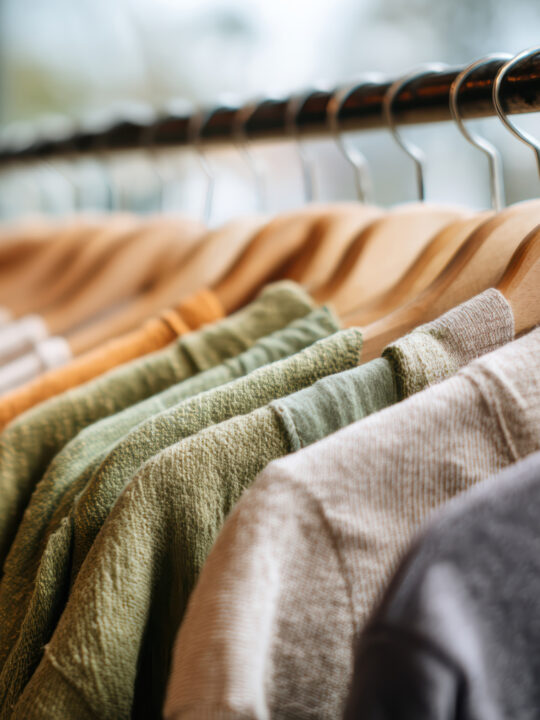
The second-hand market is pushing into the mainstream with staggering speed. Vinted is now claiming a podium spot as the 3rd largest fashion brand in the UK, behind Primark and Next. Of course, this is changing the way we shop, but fundamentally, it’s changing the way we judge value.
We all rely on framing to decide whether prices are fair. With pre-loved in the mix, our benchmarks are shifting, making it even harder for brands and retailers to sustain margins. As if the current economic climate wasn’t challenging enough.
There’s pride in pre-loved
Make no mistake, this shift in behaviour is not simply about saving money. Shoppers are enjoying a warm glow from their second-hand hunting habits: nostalgia, discovery, reward. They’re wearing a pre-loved badge with pride. This is smart shopping at its best — snagging a bargain, finding a gem — and not just for yourself, but for others too.
Buying second-hand would once have been stigmatised, but shoppers increasingly describe pre-loved gifting as more personal, more meaningful, and often more distinctive than buying new. Instead of signalling “I spent money,” the gift signals “I spent time finding something just for you.”
In gifting psychology, effort can be worth more than cost. A curated vintage item, rare handbag, or discontinued product demonstrates visible search effort. Much more so than a mass-market new item, easily sourced from high street retail.
Thoughtfulness boosts value beyond price
Wind back to Christmas 2025, we saw this playing out in our own Golden Quarter research. A staggering 1 in 4 UK shoppers told us they planned to buy second-hand gifts for Christmas. More than half said they were attracted by the opportunity to buy something unique and different. A chance to show effort and care, as they sought out that special something for a loved one. Thoughtfulness, it seems, is boosting value well-beyond the price tag.
So, the second-hand market is challenging new on an emotional battleground as much as a rational one. And, of course, that extends to the feel-good factor that comes with doing the right thing for the planet, as well as the wallet.
Pre-loved can claim the moral high ground as a more sustainable gifting choice, creating what behavioural scientists call a “double reward”. The emotional benefit of giving is paired with the reassurance of doing the responsible thing. When a behaviour feels both kind and ethical, adoption accelerates quickly.
The science doesn’t end there. Other behavioural forces are accelerating this change.
The scarcity effect
Consumers consistently place higher emotional value on items perceived as in short supply, or one-of-a-kind. That’s why we feel so good about tracking down the unusual or hard-to-find through pre-loved marketplaces. And single quantity listings mean that FOMO also kicks in, to further amplify appeal — when it’s gone, it really has gone.
Social proof normalisation
As more of us openly revel in second-hand finds and celebrate them on social media, the perceived risk of a social misstep in gifting these items diminishes. We see proof that second-hand is socially acceptable, so we feel happier about joining the gang.
That gang includes legions of younger shoppers who are buying second-hand as a style statement, following the latest vintage trends. So pre-loved gifting becomes socially desirable through a fashion lens too. These fashion credentials are being knowingly underscored by the market’s leading players: as early as 2022, eBay became Love Island’s first pre-loved fashion partner, introducing ‘Stylanders’ to showcase its items.
Back in September 2024, Oxfam and Vinted collaborated for Oxfam’s London Fashion week show “Style for Change”. Fast forward to 2025, Vinted opened its first-ever pop-up store, featuring items from prominent fashion figures. It’s clear second-hand gifting is also cool.
So, what does this mean for traditional retail players?
Much of the industry conversation still frames resale as a pricing threat. But the bigger competitive shift is emotional substitution. When pre-loved products begin to compete not only on price but also on meaning, retailers face pressure in categories where gifting plays a major role: fashion, accessories, jewellery, and premium everyday items.
This is particularly relevant for brands whose value proposition rests heavily on emotional positioning rather than pure functionality. If shoppers increasingly believe they can give a more distinctive, thoughtful gift via resale platforms, ‘new’ must work harder to justify its role.
The implication is not that retailers must all pivot to offer resale marketplaces. Instead, they must reconsider how new products signal meaning. Retailers that successfully navigate the pre-loved era are likely to focus on three behavioural levers to reinforce the value of ‘new’:
1. Make ‘new’ feel more special
Limited editions, personalisation, and small-stock new drops will create the same scarcity cues that make resale so appealing. When new items feel distinctive rather than mass-produced, they regain emotional advantage.
2. Highlight longevity and future-facing value
Increasingly, consumers evaluate purchases through a lifecycle lens: “Will this hold value?” Brands that convince on durability (even future resale potential) transform new purchases into long-term assets, rather than short-term indulgences.
3. Help demonstrate care and effort
Wrapping services, curated bundles and personalised touches all increase the perceived effort that lies behind a gifting choice, strengthening the emotional signals the gifter wants to transmit.
Retailers that ignore these powerful marketplace players do so at their peril. The pre-loved trend is only set to grow, so understanding these critical competitive dynamics will be ever more important in the challenging years to come.

Media & Broadcast

Nudging modern attention: How streaming platforms can make remembering easier
FMCG
A new appetite: How FMCG brands can innovate for the GLP-1 consumer

Shopper & Retail
Tapping into “cosy season” with simple seasonal wins for retailers.

Media & Broadcast
Collaborator or competitor: What does AI mean for the creative process?