Why do some millionaires feel broke?

 Back to articles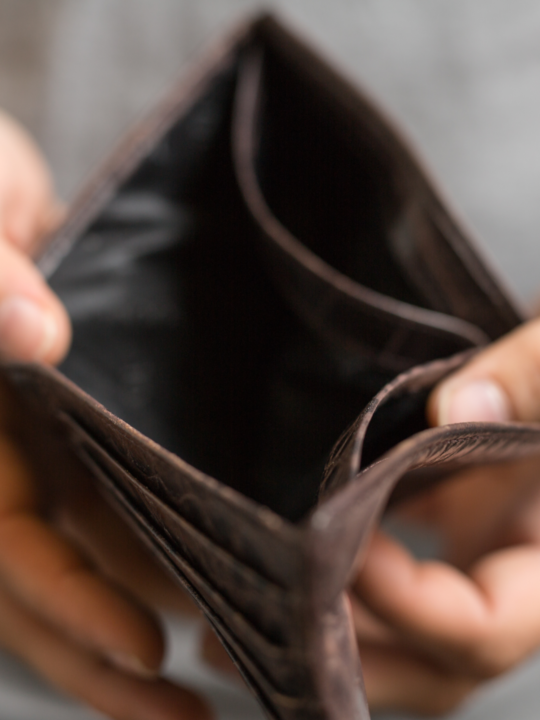
A recent CNBC survey found 31% of US millionaires don’t consider themselves wealthy.
Everything in life is relative, I guess. You may have a million dollars at your disposal, but if you’re comparing yourself to a neighbour with a bigger house and a posher car, such “upward social comparisons” make you feel relatively less well off.
Dr Joe Gladstone and Dr Silvia Bellezza dug into this issue this month in a new paper in the Journal of Marketing Research. The focus was on what people do when they feel “subjective poverty” (feeling poor, regardless of actual income). The results are fascinating.
When higher earners feel subjective poverty, they increase their spending. Bank transaction data shows that not only do they spend more, but they spend more on status-signalling brands like Apple or Louis Vuitton. They buy things which bolster their self-esteem. When lower earners feel subjective poverty, they tighten their belts.
The psychology behind the spending
The authors cite compensatory control theory (Kay et al. 2008) to explain their findings. This suggests that people who face a lack of personal control regain a sense of order by taking a linked action. So “feeling poor” threatens your sense of control. The wealthy buy their way back to feeling in control, lower earners have the same feeling, but exhibit the opposite behaviour.
The study is robust, and triangulates findings from five datasets across cultures. These cover rich countries (UK bank transactions and a USA panel survey), lower-income countries (Kenyan household diaries), as well as two online experiments where people were primed to feel subjectively poor, then make a decision.
Social comparison can be pernicious
It’s also backed up by a 2018 study, which used a decade of Canadian data to track what happens when someone in your neighbourhood wins the lottery. Lottery wins were associated with a significant increase in bankruptcy filings among close neighbours in the years that followed.
It seems that when your neighbour gets rich, you feel poor by comparison. The authors found evidence that bankrupt households were spending on visible assets (such as cars) that they just couldn’t afford. As they put it, “…when someone wins a big lottery prize, neighbours appear more likely to buy cars and remodel their houses to show that they can keep up—and go broke in the process.”
The power of an interesting question
I like these papers for two reasons. The first reason being that they were driven by a hunch. The patterns were hiding in plain sight, invisible until someone asked the right question — no algorithm would have gone looking for them. The second? They’re also a reminder of the delicious unpredictability of human behaviour. Long may that continue!

Leisure & Travel

Escape to experience: how travel motivation is changing in 2026

FMCG
A new appetite: How FMCG brands can innovate for the GLP-1 consumer
Financial Services
From observing to owning: the convergence of media and fashion

Financial Services